Hove's homes, inside
Hove grew from a small fishing village into a Victorian town, largely in response to its neighbour Brighton. That growth left it with three main kinds of older home:
- Regency houses in Brunswick Town, built as a seafront estate from the 1820s.
- Victorian streets such as Cliftonville, laid out from the late 1840s.
- Large villas on The Drive, Grand Avenue and the numbered avenues, built mainly in the 1870s and 1880s, many by the builder William Willett.
Many of these big houses have since been converted into flats. Each brings different work for a plasterer.
Solid walls and lime plaster
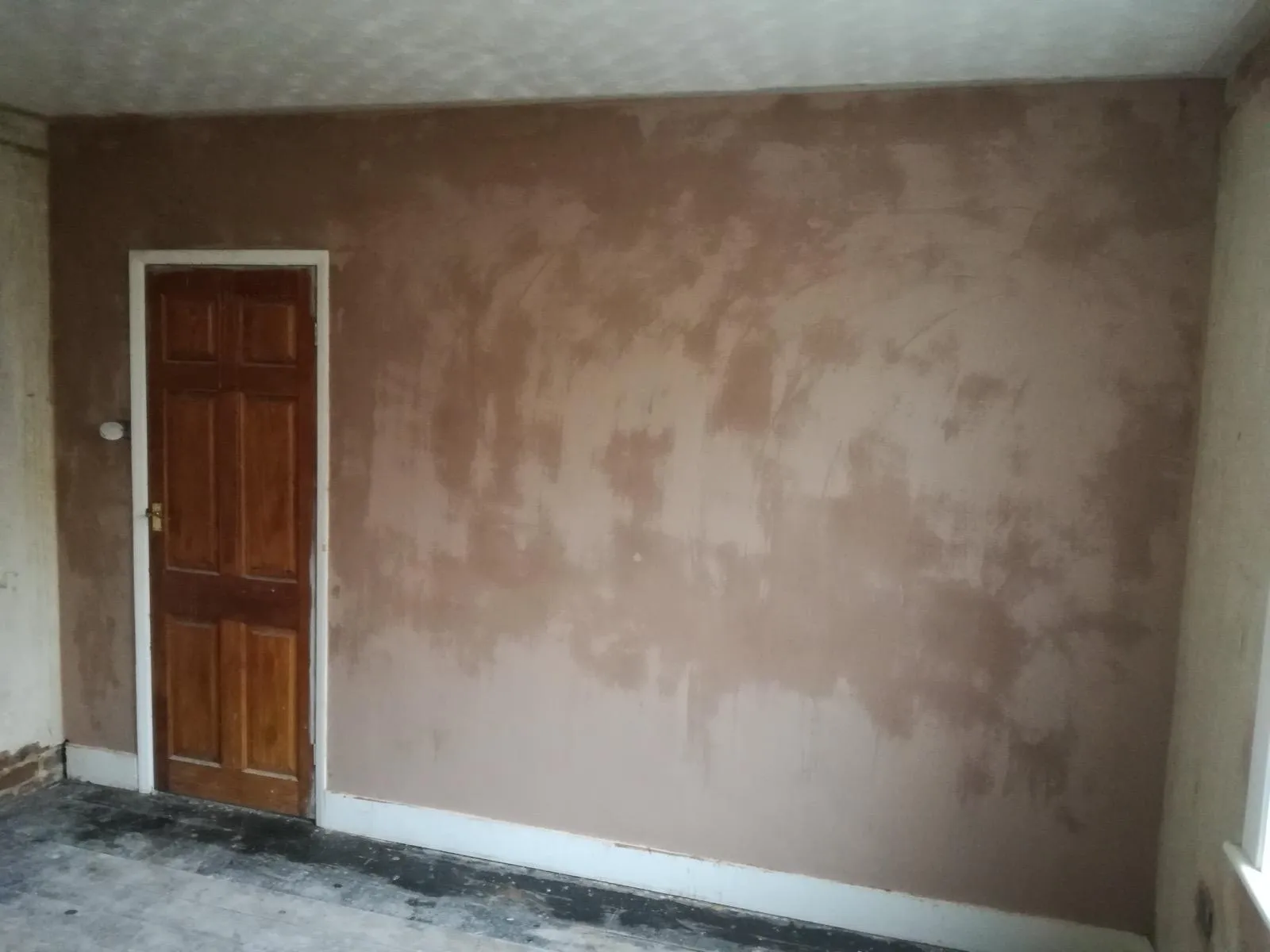
Most of Hove's older homes have solid walls finished in lime plaster. Lime lets a wall breathe; modern gypsum is less permeable and can hold moisture in. Patching lime with gypsum is a common reason repairs crack or stay damp. We work with lime plaster, so period walls can be repaired in a compatible material.
Ceilings, cornices and roses
Victorian and Edwardian rooms often have high ceilings with cornices and ceiling roses. When a ceiling cracks or sags, the first question is whether the decorative work can be kept. Where a room needs new or replacement coving or cornice, see our coving and cornice fitting. For cracked ceilings without decoration worth saving, overboarding can be a clean fix.
Flat conversions
Converting a large house into flats means new walls, new ceilings and a lot of making good. We fit and skim plasterboard on new walls and ceilings and repair the original plaster around them, working around the other trades.
In flats, access matters. When you get in touch, tell us about stairs, lifts, parking and shared hallways, so we can plan how materials come in and how communal areas are protected.
Portslade
Portslade merged with Hove in 1974 and has its own historic core, protected as the Portslade Old Village conservation area. Older cottages there usually need lime rather than modern materials. Further north, Hangleton Manor is a 16th-century flint manor house, a reminder of how old some of this area is.
Conservation areas and permission
Hove has many conservation areas, including Brunswick Town, The Avenues, The Drive, Willett Estate, Old Hove and Portslade Old Village. Brighton & Hove City Council's guide for residents in conservation areas makes a few points worth knowing before any work:
- Like-for-like repairs don't need permission, and the council encourages keeping original materials.
- Repainting in the exact existing colour doesn't need permission, but some streets have set colour palettes.
- Textured paints should be avoided, and bare brickwork should never be painted.
For painted stucco fronts and external render, see our page on rendering in Brighton and Hove.
Frequently asked questions
Do you cover Portslade and Hangleton?
Yes. We cover all of Hove, including Hangleton, plus Portslade.
Can you repair a cornice or ceiling rose?
Tell us what's there and send photos. Where new coving or cornice is needed, we fit it, and we'll be honest if a run of original plasterwork needs a specialist.
Can new plaster go over old lime plaster?
On solid walls, gypsum over lime is usually best avoided because it can trap moisture. We'll check the wall and recommend the right material.
Do you work in flats?
Yes. Tell us about access and shared areas when you get in touch.
Are your quotes free?
Yes. Quotes are free anywhere in Hove and Portslade.
Get a quote in Hove or Portslade
Send us photos of the walls or ceilings, tell us your street, and mention if your building is listed or in a conservation area. We'll come back with a free quote. For the rest of the city, see our plasterer in Brighton page.
Back to Areas We Cover